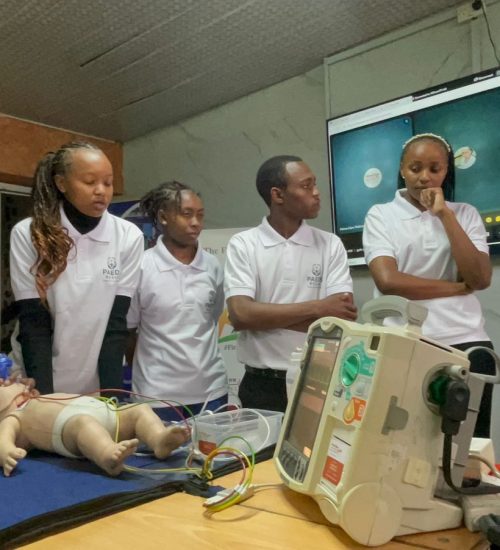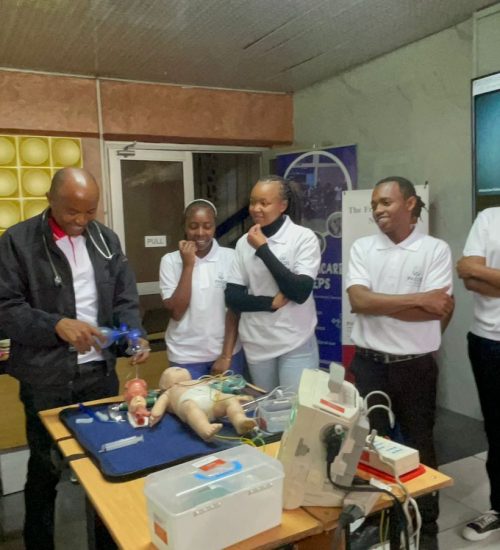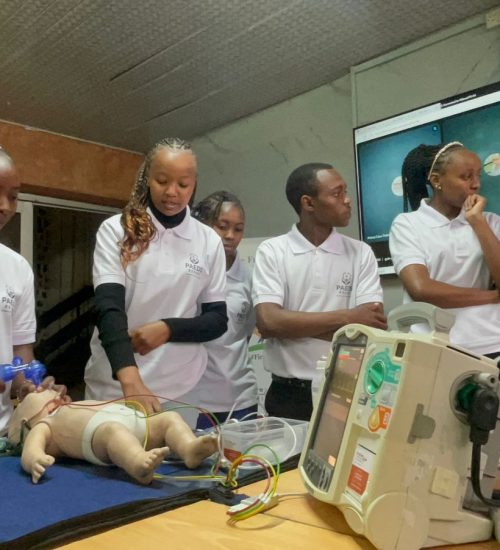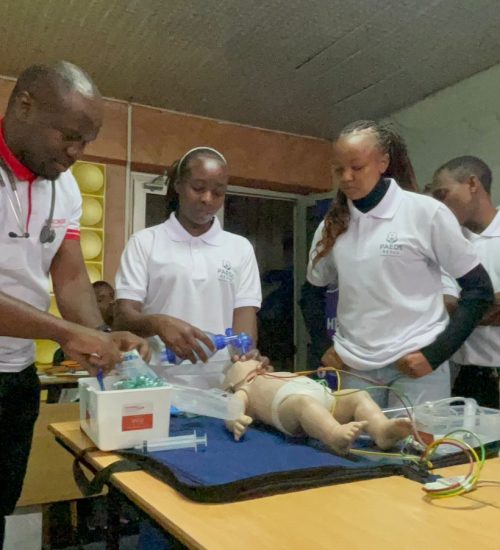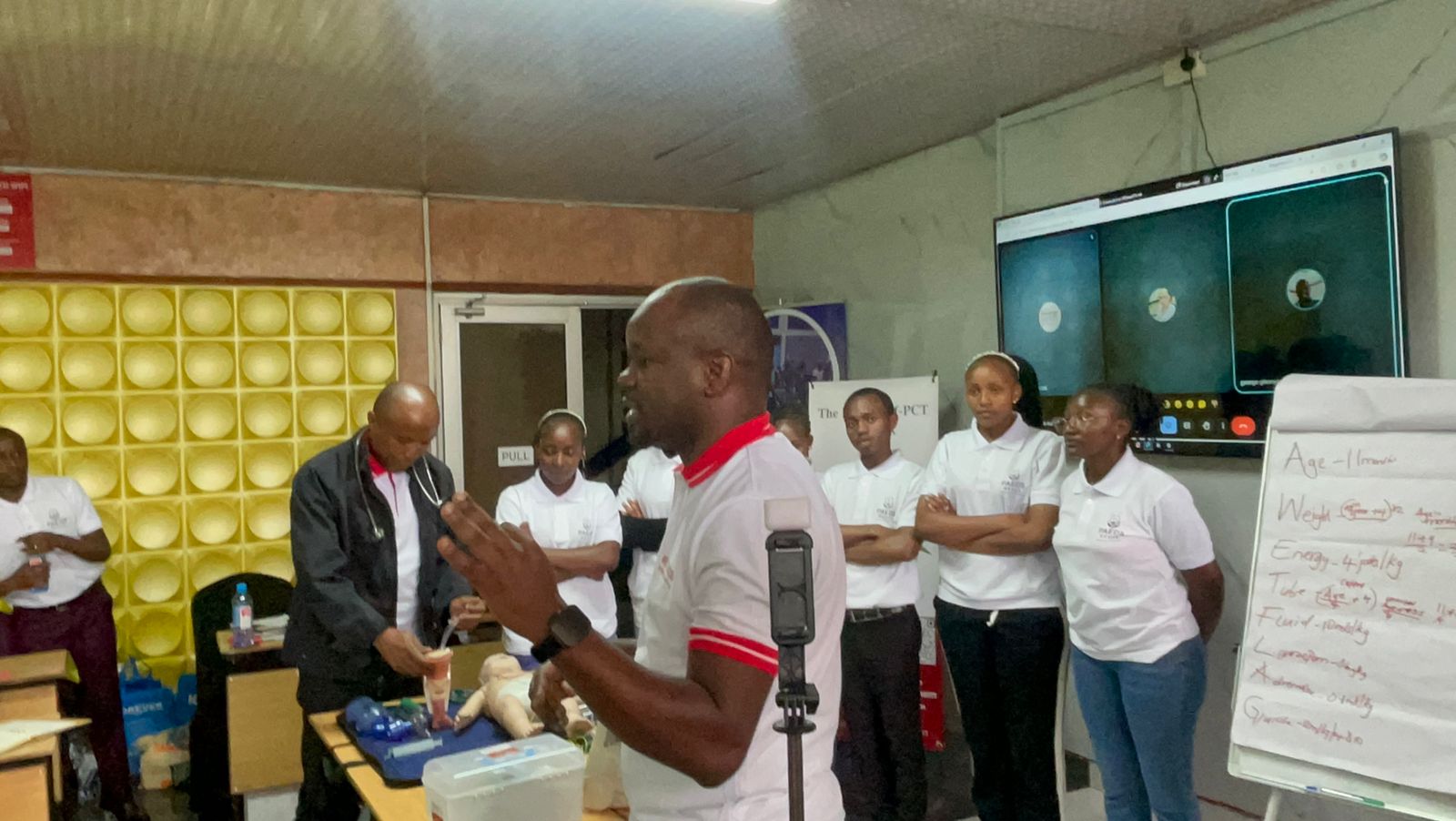
The Importance of Case-Based Simulation Training in Emergency Care
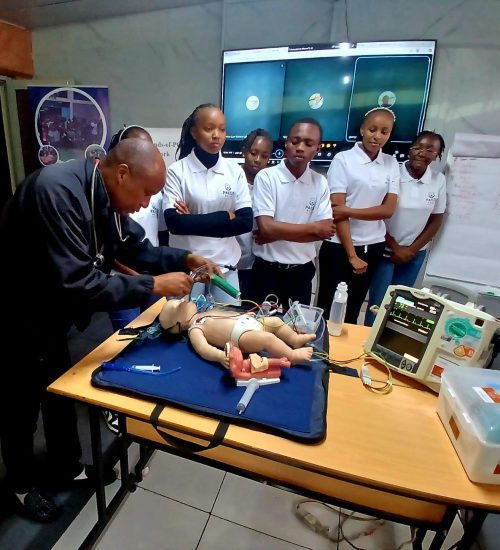
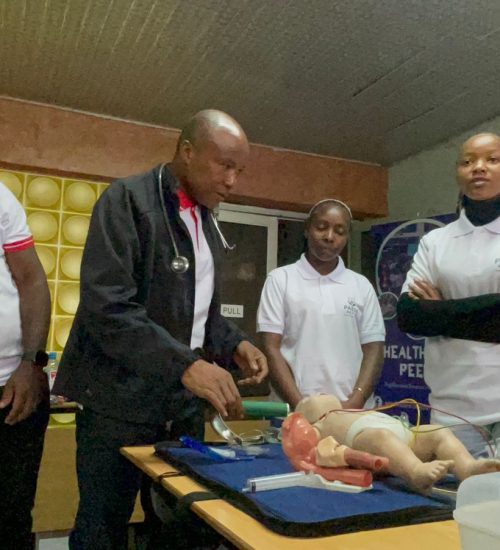
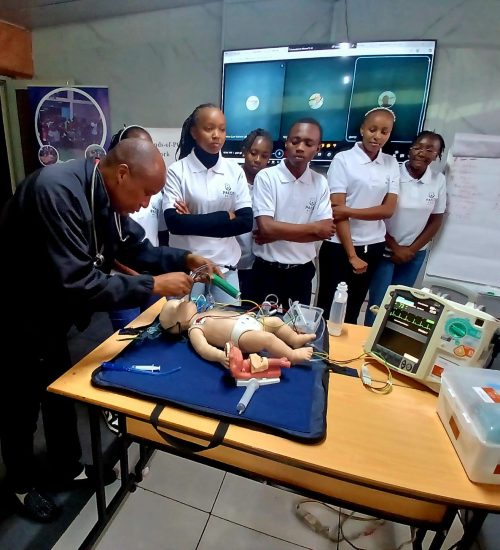
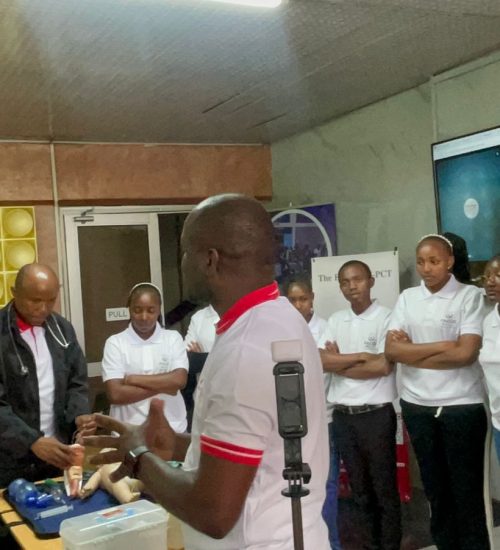
At Prime Care Trainers (PCT), we believe that the best way to prepare healthcare providers for real emergencies is to bring the realities of the clinical environment into the classroom. One of the most effective ways to achieve this is through case-based simulation training.
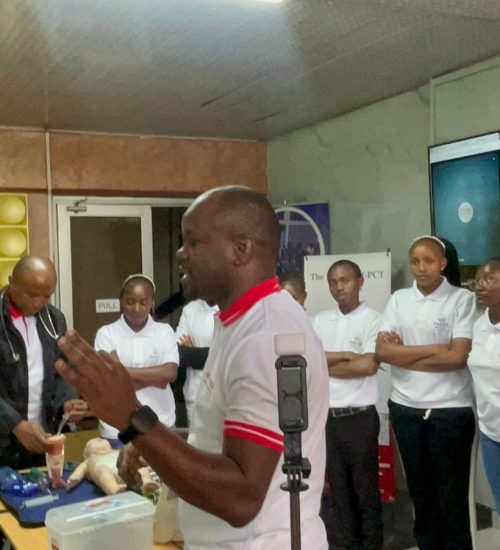
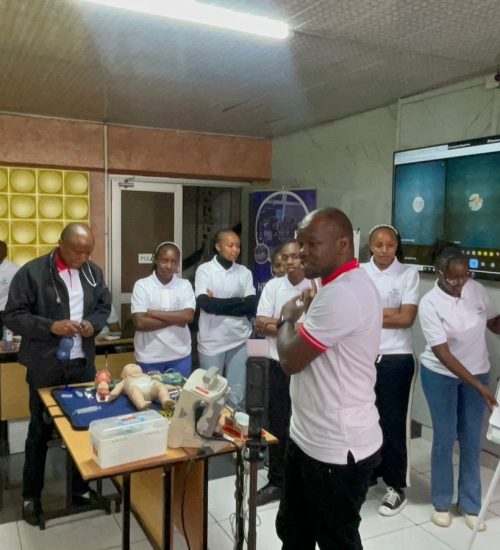
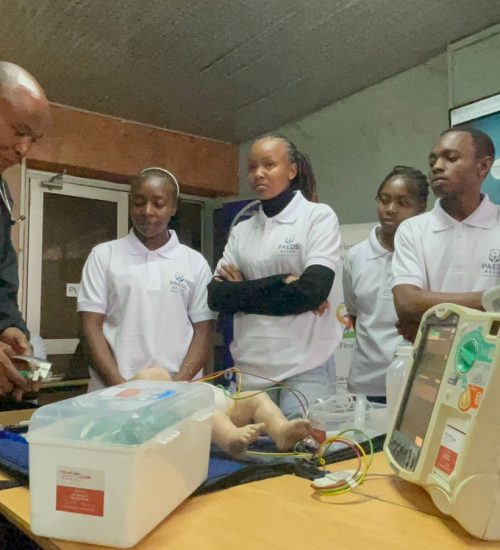
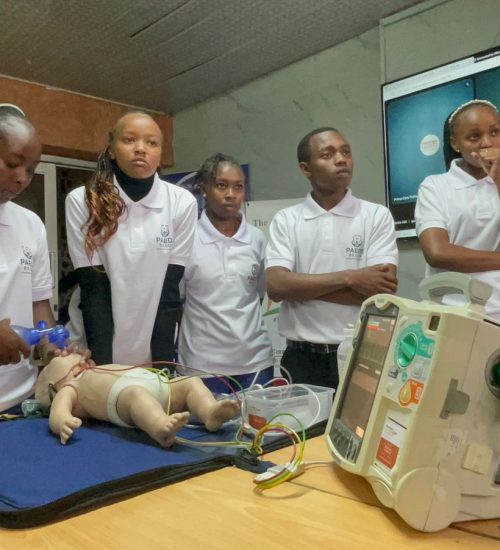
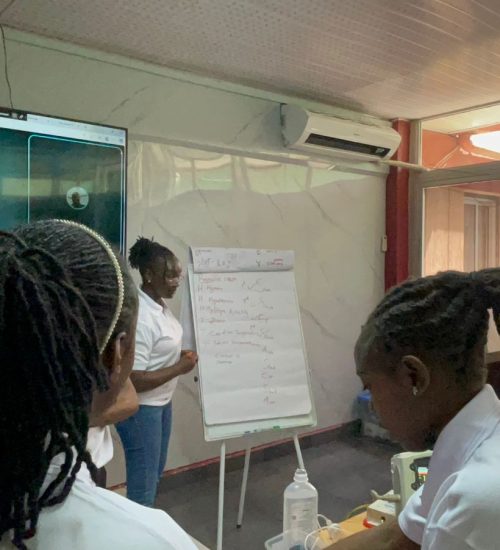
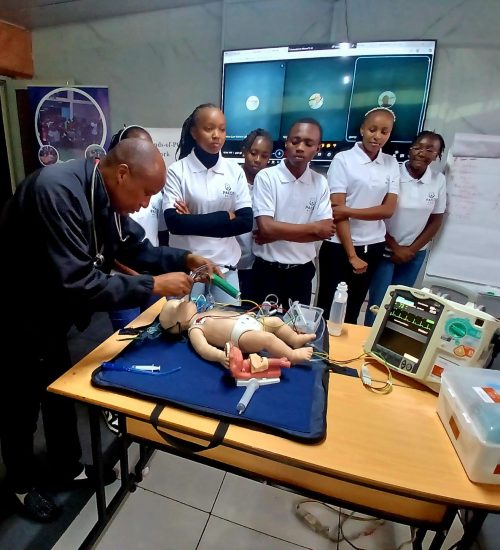
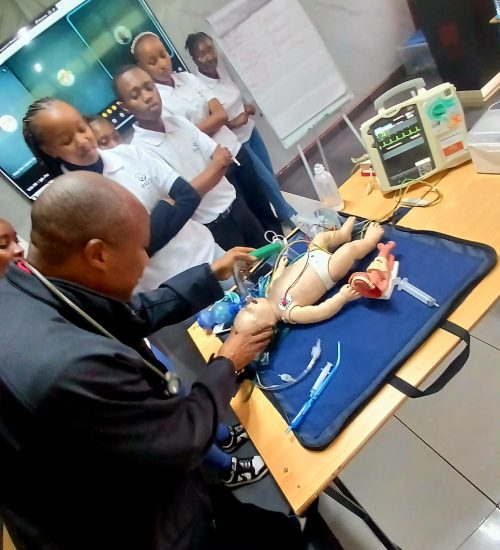
Unlike traditional lectures, simulation provides a hands-on, scenario-driven approach that bridges the gap between theory and practice. Learners are immersed in lifelike cases—whether managing a child in respiratory failure, performing resuscitation, or recognizing subtle ECG changes—that demand quick thinking, teamwork, and accurate decision-making.
This form of training goes beyond skills practice. It: Builds critical thinking under pressure. Enhances teamwork and communication, essential in high-stress settings. Provides a safe learning environment where mistakes become opportunities for growth. Increases retention of knowledge by linking theory directly to real-life cases.
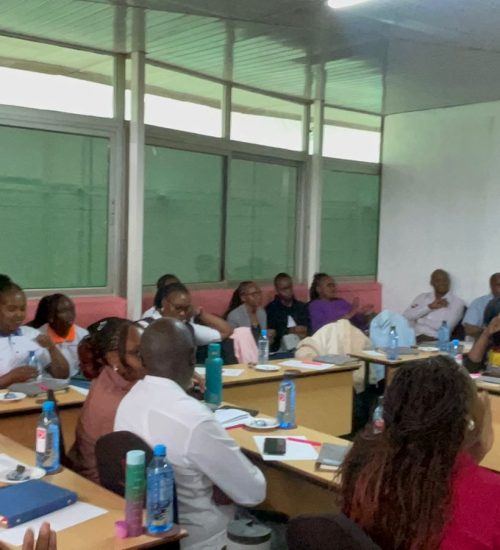
At #ECICON2025, where global experts and local practitioners converged to share advances in emergency and critical care, simulation was repeatedly highlighted as a cornerstone of effective training. As one speaker put it, “What you teach your students is what they eventually emulate at the bedside.”
By incorporating simulation into our training programs at PCT, we are not only transferring knowledge but also shaping the mindset and preparedness of the next generation of healthcare providers. Every practice scenario today could mean a life saved tomorrow