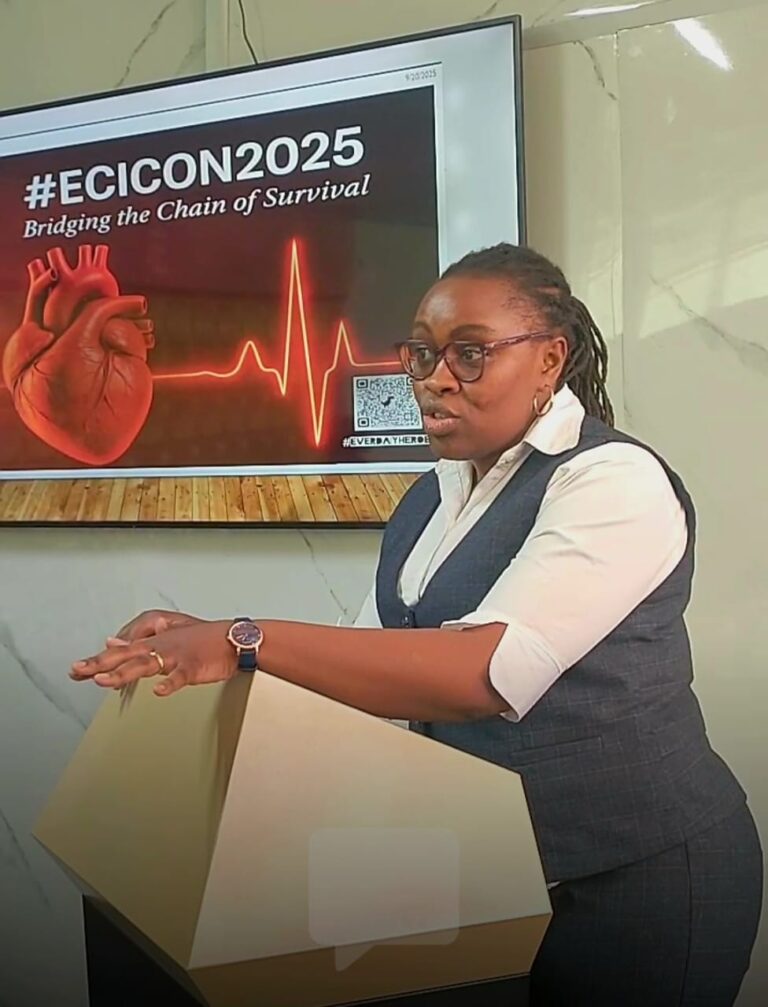
ECICON 2025: Bridging the Chain of Survival
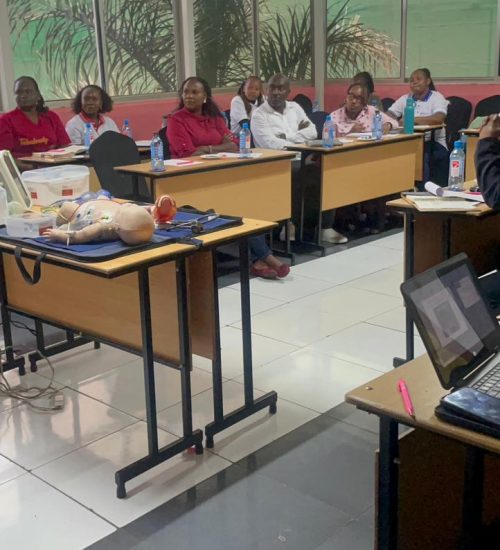
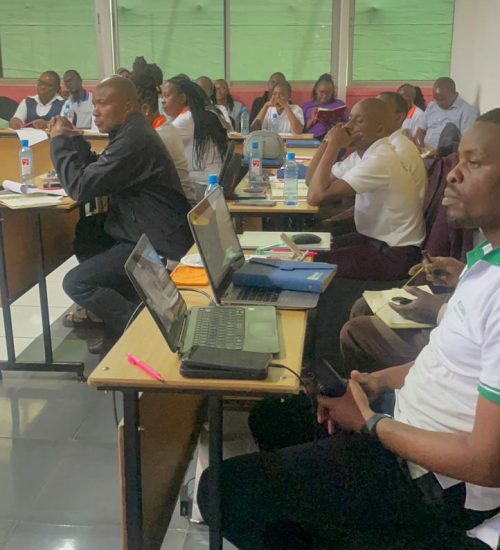
Nairobi, Kenya – 20th September 2025 – The 2nd Emergency Care Instructors Conference (ECICON 2025) successfully brought together healthcare professionals, emergency responders, and educators for a one-day event dedicated to strengthening systems that save lives.
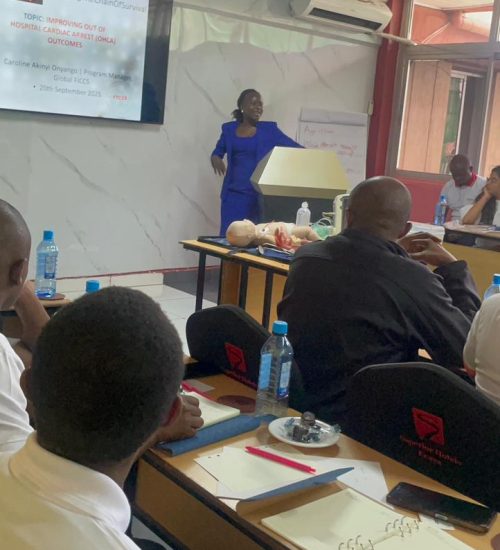
The conference featured engaging case simulations, expert presentations, and interactive discussions designed to advance resuscitation science and improve patient outcomes. The program highlighted topics such as Reducing ICU Stay through Timely Emergency Interventions, Resuscitation Impact Goals by 2030, Improving Cardiac Arrest Outcomes, and The Role of AI in Clinical Practice.
Delivering the keynote address, Dr. Janet Sugut, an Emergency Care Physician, emphasized: “Instructors are the builders and architects of the frame of survival — what you teach your students is what they eventually emulate.”
She stressed that instructors are the key enablers who design the training curriculum, prepare students for real life scenarios and are also responsible to ensure we have a sensitized community ready to recognize the emergencies as they happen as they initiate the chain of survival. This will eventually change the emergency care narrative a step at a time.
Other memorable take-home messages from the speakers of the day included:
Maurice Oduor (AHA Instructor Candidate) “AI will not replace doctors, but doctors who use AI will replace those who don’t.”
Steve Khamisi; PCT Training Coordinator & AHA Faculty “Every life saved begins with a system prepared.”
Job Karue; Paeds ICU Nurse & AHA Instructor “No child should die because the system was not prepared.”
Carol Akinyi; Global FICCS Programs Manager & AHA Instructor “Every member of the public should learn the basic skills of first aid and CPR — from Cabinet Secretaries to boda-boda operators and common mama mboga.”
Panel discussions also explored the role of AHA Training Sites and Centers, while networking sessions encouraged collaboration among stakeholders to bridge the chain of survival.
The day ended with a call to action — building stronger systems, equipping more providers, and ensuring communities are prepared to act in emergencies.
ECICON 2025 was more than a conference; it was a movement — reaffirming the shared commitment to saving lives.